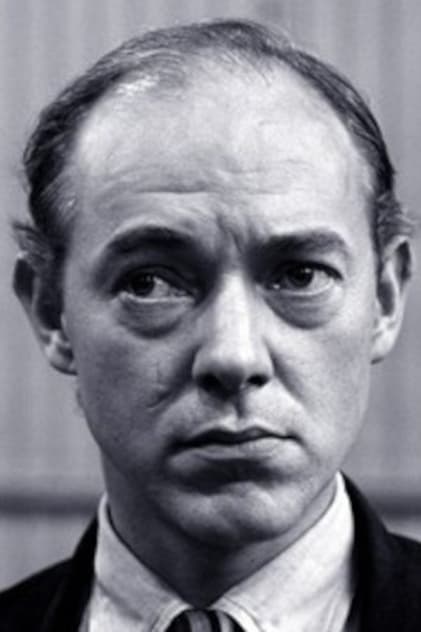
Michael Bryant
From Wikipedia, the free encyclopedia.
Michael Dennis Bryant (5 April 1928 – 25 April 2002) was a British stage and television actor.
Bryant attended Battersea Grammar School and after service in the Merchant Navy and Army, he attended drama school and appeared in many productions on the London stage. He made his film debut in 1955. His greatest role was Mathieu in BBC2's 1970 adaptation of Jean-Paul Sartre's Roads to Freedom trilogy. His guest star appearance as Wing Commander Marsh, who feigns insanity in the 'Tweedledum' episode of the BBC drama series, Colditz (1972), is still widely remembered.
Bryant was chosen by Orson Welles to play the lead role in The Deep, Welles's adaptation of the Charles Williams novel Dead Calm. The production frequently ran out of money, and following the death of actor Laurence Harvey in 1973, Welles stopped production and announced the movie - which had been completed except for one special effects shot of a ship exploding - would not be released. (The novel was finally adapted to film in 1989.)
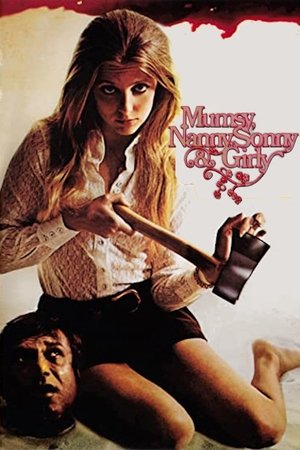
In 1969 Bryant took his love of the stage on a strange trip into the realm of cult films, playing a clever male prostitute who outwits a delusional family of killers in the dark comedy Mumsy, Nanny, Sonny and Girly, an adaptation of a play by Maisie Mosco. Due to poor marketing and a lack of faith in the film by the distributor, the film quickly sank into obscurity even before it could develop a cult following.
One of Bryant's most memorable performances was in the classic BBC television play The Stone Tape (1972), in which he plays the leader of a team of scientists who investigate ghost sightings in a brooding gothic mansion.
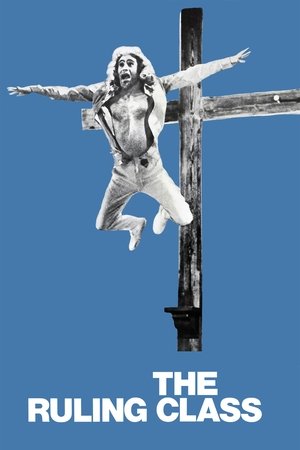
Bryant also had a supporting role as a sadistic psychiatrist in the cult classic black comedy The Ruling Class, with Peter O'Toole and Alastair Sim. He also appeared in Richard Attenborough's Gandhi (1982) as a British diplomat.
Having played Lenin in the film Nicholas and Alexandria, Bryant would later reprise the role in Robert Bolt's play State of Revolution (1977). He had previously co-starred in Bolt's unsuccessful Gentle Jack. The 1977 production of a Bolt play though was significant for featuring the first role he performed at the National Theatre where he was a constant presence for a quarter of a century. Bryant, described by Michael Billington as "rock-solid company man", had earlier performed with the Royal Shakespeare Company from 1964, including the premiere production of Harold Pinter's The Homecoming (1965), in which he played Teddy, the returning academic.
In 1980, Michael Bryant won the London Drama Critics Circle Theatre Award for Best Actor, and his other theatrical performances were equally well thought of. Bryant won Laurence Olivier Awards in 1988 and 1990 and was nominated twice more.
Description above from the Wikipedia article Michael Bryant (actor), licensed under CC-BY-SA, full list of contributors on Wikipedia
Acting
 Movie
Movie
Gandhi
as Principal Secretary
1982
 Movie
Movie
Hamlet
as Priest
1996
 Movie
Movie
A Night to Remember
as Sixth Officer James Moody
1958
 Movie
Movie
The Ruling Class
as Dr. Herder
1972
 Movie
Movie
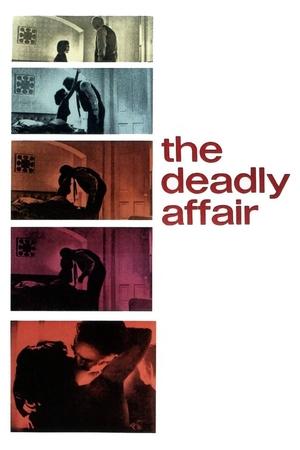
The Deadly Affair
as Gaveston (in Edward II)
1967
 Movie
Movie
Torture Garden
as Colin Williams (segment 1 "Enoch")
1967
 Movie
Movie
Nicholas and Alexandra
as Lenin
1971
 Movie
Movie
The Miracle Maker
as God/ The Doctor (voice)
2000
 Movie
Movie
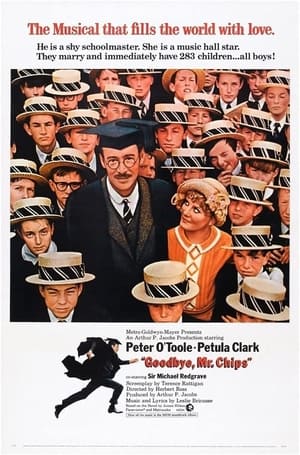
Goodbye, Mr. Chips
as Max Staefel
1969
 Movie
Movie
Mumsy, Nanny, Sonny & Girly
as New Friend
1970
 Movie
Movie
The Stone Tape
as Peter Brock
1972
 TV
TV
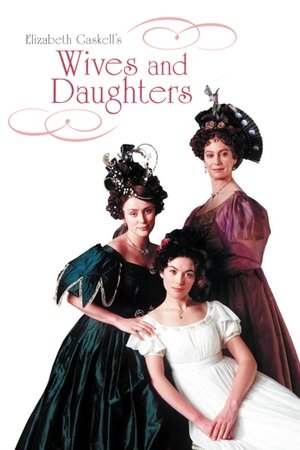
Wives and Daughters
as Dr Nichols
1999
 Movie
Movie
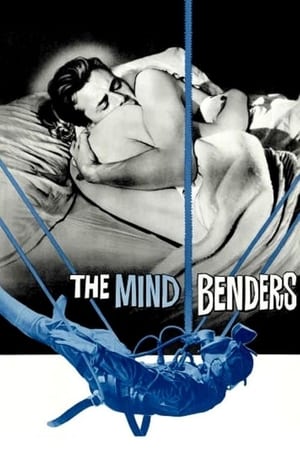
The Mind Benders
as Dr. Danny Tate
1963
 TV
TV
Reilly: Ace of Spies
as Narrator (voice)
1983
 TV
TV
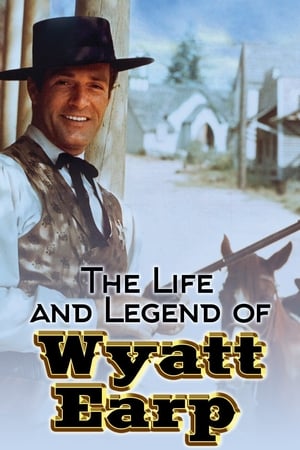
The Life and Legend of Wyatt Earp
1955
 Movie
Movie
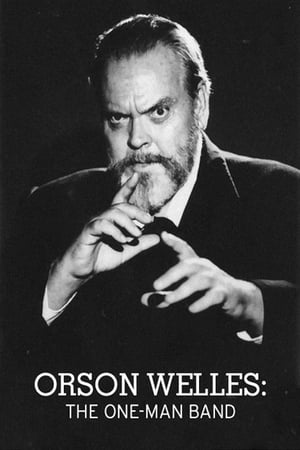
Orson Welles: The One-Man Band
as Self (segment "The deep") (archive footage)
1995
 Movie
Movie
The Treasure of Abbot Thomas
as The Rev. Justin Somerton
1974
 TV
TV
Colditz
as W / Cdr George Marsh
1972
 Movie
Movie
Life for Ruth
as John's Counsel
1962
 Movie
Movie
Caravan to Vaccarès
as Zuger
1974
 TV
TV
Fall of Eagles
as Ratchkowsky
1974
 Movie
Movie
Anna Lee: Headcase
as Commander Martin Brierly
1993
 TV
TV
Hallmark Hall of Fame
as Britannus
1951
 TV
TV
BBC Play of the Month
as Vershinin
1965