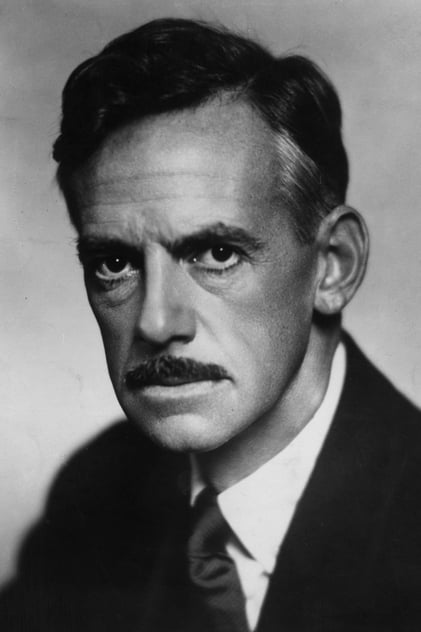
Eugene O'Neill
Eugene Gladstone O'Neill (October 16, 1888 – November 27, 1953) was an American playwright and Nobel laureate in literature. His poetically titled plays were among the first to introduce into U.S. drama techniques of realism earlier associated with Russian playwright Anton Chekhov, Norwegian playwright Henrik Ibsen, and Swedish playwright August Strindberg. The tragedy Long Day's Journey into Night is often numbered on the short list of the finest U.S. plays in the 20th century, alongside Tennessee Williams's A Streetcar Named Desire and Arthur Miller's Death of a Salesman.
O'Neill's plays were among the first to include speeches in American English vernacular and involve characters on the fringes of society. They struggle to maintain their hopes and aspirations, but ultimately slide into disillusionment and despair. Of his very few comedies, only one is well-known (Ah, Wilderness!). Nearly all of his other plays involve some degree of tragedy and personal pessimism.
Description above from the Wikipedia article Eugene O'Neill, licensed under CC-BY-SA, full list of contributors on Wikipedia.
Acting

Crew
 Movie
Movie
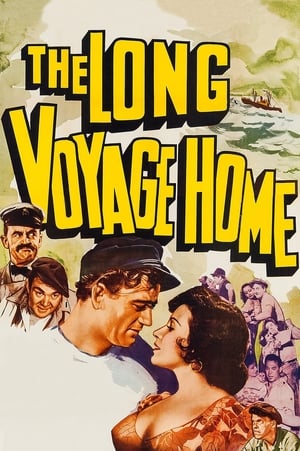
The Long Voyage Home
Theatre Play
1940
 Movie
Movie
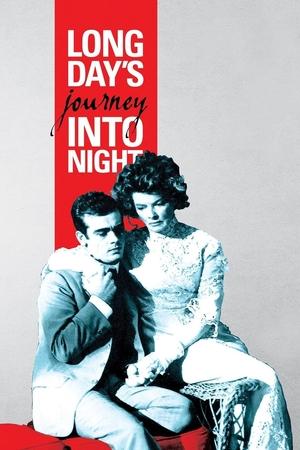
Long Day's Journey Into Night
Theatre Play
1962
 Movie
Movie
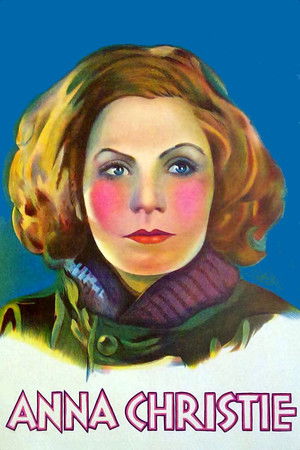
Anna Christie
Theatre Play
1930
 Movie
Movie
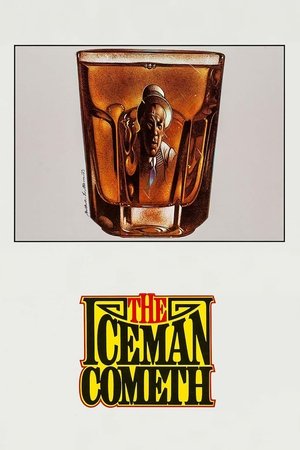
The Iceman Cometh
Theatre Play
1973
 Movie
Movie
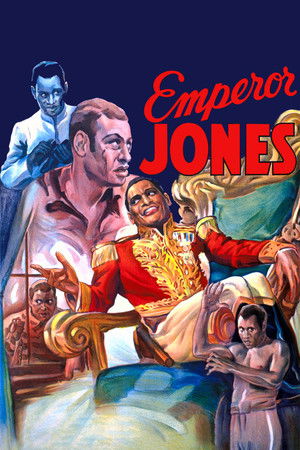
Emperor Jones
Original Story
1933
 Movie
Movie
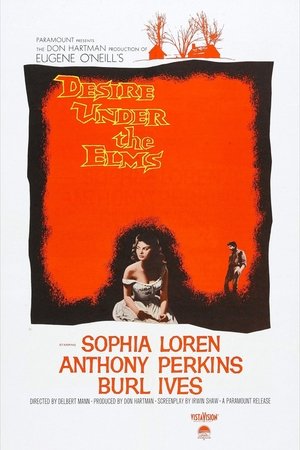
Desire Under the Elms
Theatre Play
1958
 Movie
Movie
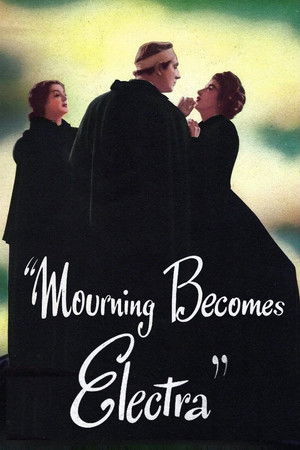
Mourning Becomes Electra
Theatre Play
1947
 Movie
Movie
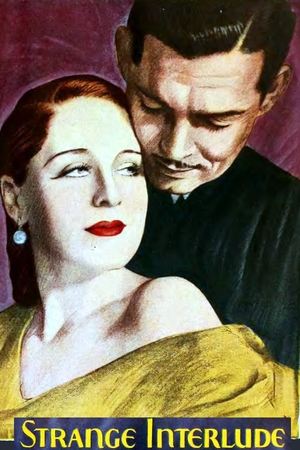
Strange Interlude
Theatre Play
1932
 Movie
Movie
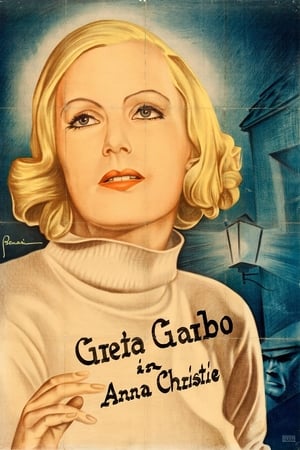
Anna Christie
Theatre Play
1930
 Movie
Movie
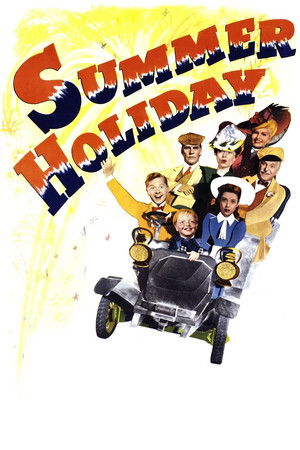
Summer Holiday
Theatre Play
1948
 Movie
Movie
The Iceman Cometh
Writer
1960
 Movie
Movie
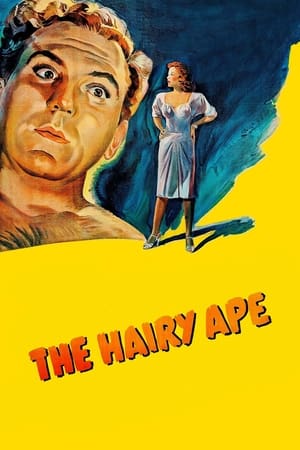
The Hairy Ape
Theatre Play
1944