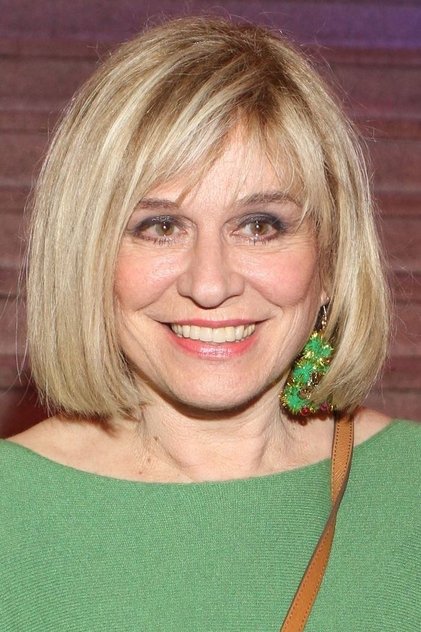
Mary Roos
Mary Roos (born Rosemarie Schwab on 9 January 1949) is a German singer and actress.
Schwab was born in Bingen. At the age of nine, she recorded her first song "Ja die Dicken sind ja so gemütlich" as Die kleine Rosemarie. It was no major commercial success. In 1958, she also appeared in the film Die Straße. Over the following years she would release many records and she also appeared in many singing competitions. Her first chart success came in 1965, when the single "Geh nicht den Weg" peaked at #36. In 1969, she took part in the Grand Prix RTL International with the song "Die Legende der Liebe". The same year, she reached the single charts again – "Das hat die Welt noch nicht erlebt" peaked at #19. Her first major was achieved in 1970 with the song "Arizona Man". It peaked at #9 in the single charts and remains her only top ten hit to date. The same year, she took part in the German national final for the Eurovision Song Contest for the first time. She was chosen to take part in the last minute – Edina Pop had to withdraw from the competition as she fell ill and Mary Roos was chosen to sing "Bei jedem Kuss" instead. She finished joint second among the six participants; nevertheless, the song was never recorded.
In the early 1970s, Roos got her own TV show on German television. At the same time, she tried to start a career in France, where she played the lead role in the musical Un enfant dans la ville next to Michel Fugain but only had a couple of popular hits with "L'Autoroute", "Amour Toujours", "Je C'est I, Tu C'Est You", "L'Amour En Blue Jean" and "Les Petits Soldats". In 1972, she entered the German national final for the Eurovision Song Contest the second time. With her song "Nur die Liebe läßt uns leben" she finished second after the first round of voting only one point behind Cindy & Bert but got the overall victory after the second round of voting. After the reprise of the winning song, she was booed off stage and her victory caused a stir in Germany as she was not the winner of the first round of voting and because of her mediocre vocal performance. In a later interview, she stated that she did not expect to win at all and that she was already removing her make-up when she was called back on stage. However, at the Eurovision Song Contest 1972 in Edinburgh, she finished third. The song was a hit in Germany peaking at #17 in the single charts. Throughout the 1970s she kept releasing singles and albums and was a frequent guest in music shows, although she did not have any more major hits. In 1975, she took part in the German national final again and finished third with "Eine Liebe ist wie ein Lied". Her fourth participation in the national final took place in 1982, where she competed among others against her then husband Werner Böhm. She performed the duet "Lady" with David Hanselmann and finished sixth out of the twelve participants, however, the song was commercially the second most successful one of the year.
In 1982, she covered F. R. David's song "Words". ...
Source: Article "Mary Roos" from Wikipedia in English, licensed under CC-BY-SA 3.0.
Acting
 TV
TV
Eurovision Song Contest
1956
TV
Eurovision Song Contest
as Self - Contestant
1956
 TV
TV
Markus Lanz
as Self
2008
 TV
TV
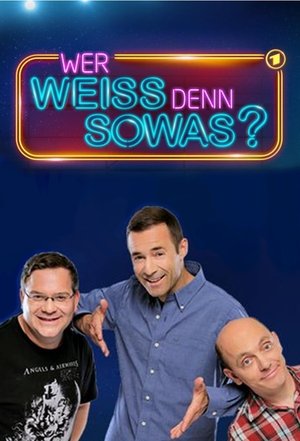
Wer weiß denn sowas?
as Self
2015
 TV
TV
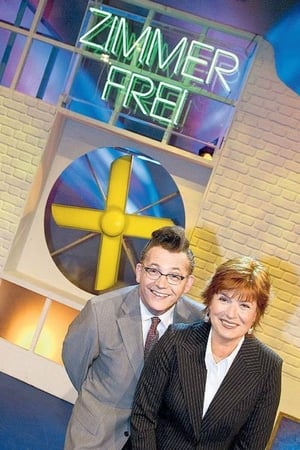
Zimmer frei!
as Self
1996
 TV
TV
Volle Kanne
as Self
1999
 TV
TV
DAS!
1991
TV
DAS!
as Self
1991
 TV
TV
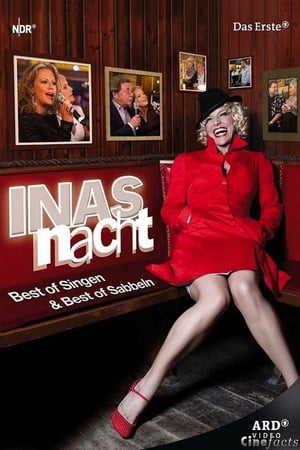
Inas Nacht
as Self
2007
 TV
TV
Leute heute
as Self
1997
 TV
TV
ZDF-Fernsehgarten
as Self
1986
 TV
TV
NDR Talk Show
as Self
1979
TV
3 nach 9
as Self
1974
 Movie
Movie
Sperrbezirk
as Sängerin
1966
 TV
TV
Plattenküche
as Self
1976
 TV
TV
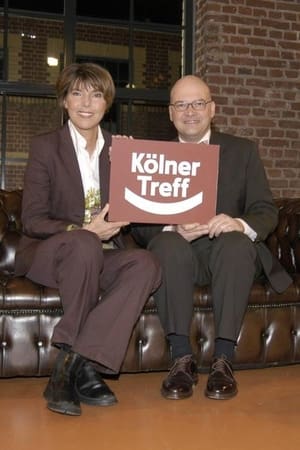
Kölner Treff
as Self
1976
 TV
TV
MDR um 4
as Self
2014
 TV
TV
Riverboat
as Self
1992
 TV
TV
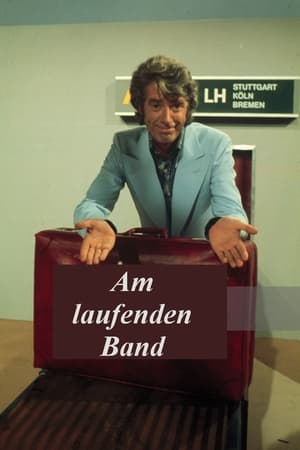
Am laufenden Band
as Self - Guest
1974
 TV
TV
Dalli Dalli
as Self - Singer
1971
TV
Dalli Dalli
as Self
1971
TV
Ein Kessel Buntes
as Self
1972
 TV
TV
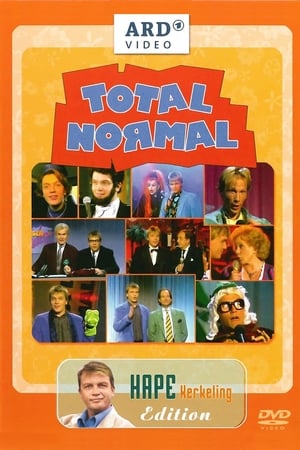
Total Normal
as Self
1989
 TV
TV
Sing meinen Song – Das Tauschkonzert
as Self
2014