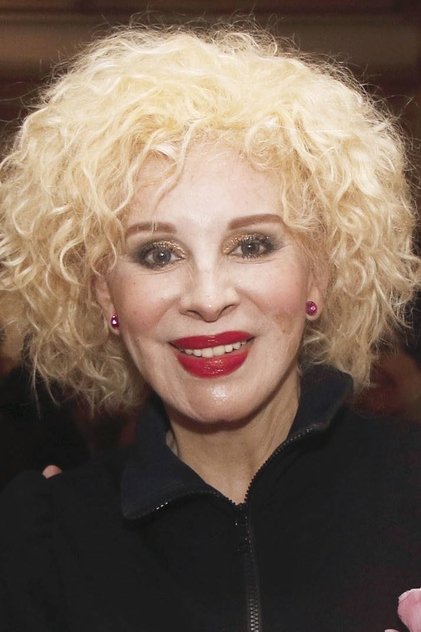
Nacha Guevara
From Wikipedia, the free encyclopedia
Nacha Guevara (born Clotilde Acosta, October 3, 1940) is an Argentine singer-songwriter, dancer and actress from Mar de Plata, Buenos Aires province.
With poet Mario Benedetti and musician Alberto Favero, 1973 trained as a dancer and actress, she discovered by chance a career as a singer becoming a symbol around 1968 in the avant-garde movement at Instituto Di Tella in Buenos Aires, the preeminent pioneer center for visual and theater experimentation at that time. She was a controversial cult figure in the underground movement and as a singer-songwriter in the "cafe-concert" scene, singing tunes and parodies by Boris Vian, George Brassens, Tom Lehrer, Nicolas Guillén and Argentine writers including Julio Cortázar, Jorge de la Vega, Ernesto Schoo and others.
According to a 1974 interview, she adopted her stage name in the mid-1960s, "Nacha" as a family tradition, and "Guevara" due to a "problem of identity", before Che was well known.[2]
At the beginning of 1970, one of her pivotal works was Nacha sings Benedetti, where she and Alberto Favero, musical partner and at that time husband, adapted some of the most famous poems of Uruguayan poet Mario Benedetti to music.
In 1973 she obtained great recognition by critics and audiences with a big revue named Las mil y una Nachas ("One thousand and one Nachas"). Nacha Guevara exiled herself first to Peru then Mexico in 1974, threatened by the Triple A death squad. She attempted to make a comeback in 1975 with a new version of Las mil y una Nachas. The show was never performed. After the dress rehearsal prior to the opening night, a bomb destroyed the theater, killing a member of the crew and forcing her to flee the country once more.
She continued a successful career in Mexico, Cuba and Spain with performances in New York, Chicago and La Habana too, before returning to Argentina.
Nacha Guevara has acted in numerous Argentine films, as well as on Broadway. However, she is best known for her extensive musical career, which has been realized throughout the world and over several decades.
After the end of the Argentine dictatorship, she came back to her native country in 1984. In 1986 she starred Pedro Orgambide's Eva, an Argentine answer to the musical Evita by Andrew Lloyd Webber. The show was redone for a bigger version in 2008 and renamed Eva, the great Argentinean musical.
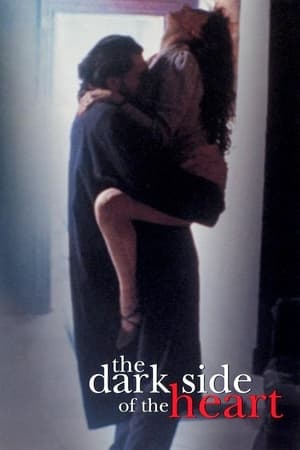
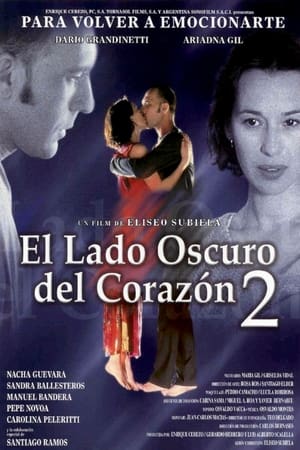
In the last decades she won recognition as an actress, participating in movies and TV shows such as Alas, Poder y Pasión ("Wings, Power and Passion") and films as El Lado Oscuro del Corazón ("The Dark Side of the Heart") and its sequel, where she plays Death, a symbolic character who is in love with the hero and harasses him, trying to take him to the other side.
Acting
 Movie
Movie
The Dark Side of the Heart
as Death
1992
 Movie
Movie
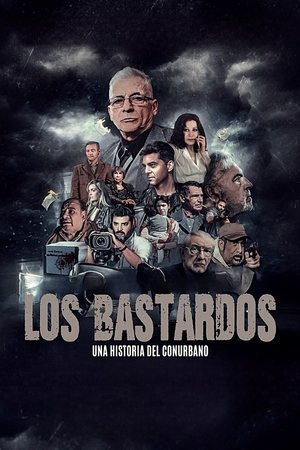
Los bastardos
as Eva
2023
 Movie
Movie
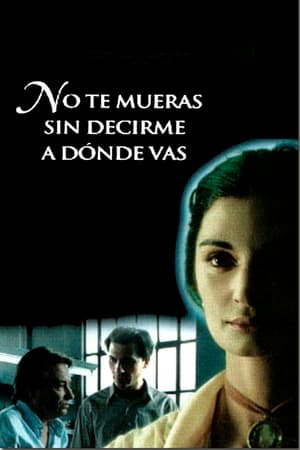
Don't Die Without Telling Me Where You're Going
as (Material de archivo)
1995
 Movie
Movie
The Dark Side of the Heart 2
as The Death
2001
 Movie
Movie
Funes, a Great Love
as Amanda
1993
 TV
TV
Killer Women
2005
 Movie
Movie
Miss Mary
as Mecha
1986
 TV
TV
De pé a pá
as Self
1996
 Movie
Movie
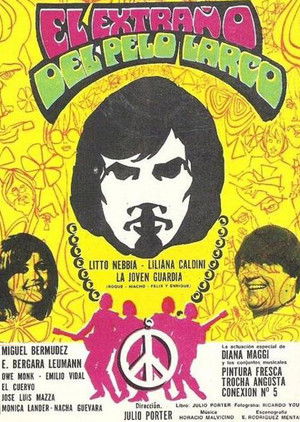
El extraño del pelo largo
1970
 Movie
Movie
Ufa con el sexo
as Cantante de café concert
1968
 Movie
Movie
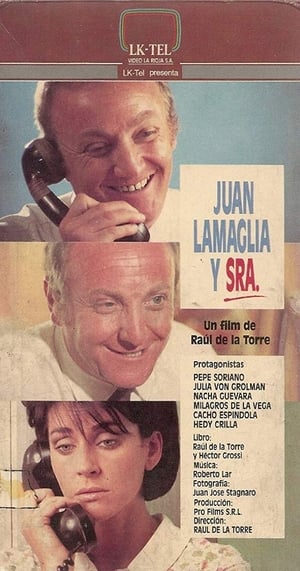
Juan Lamaglia y Sra.
1970
 Movie
Movie
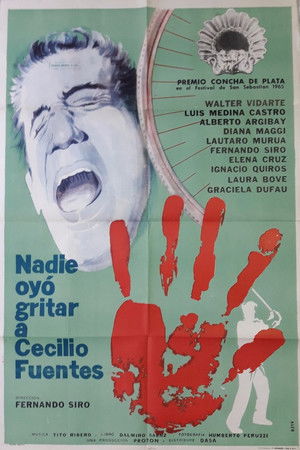
Nadie oyó gritar a Cecilio Fuentes
1965
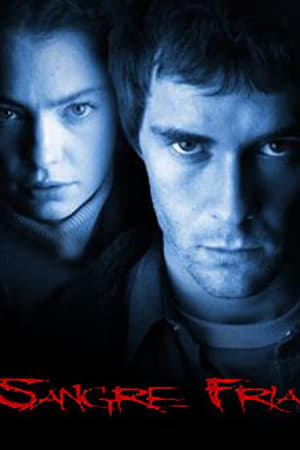 TV
TV
Sangre Fría
2004
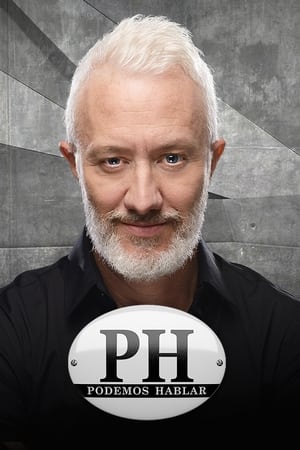 TV
TV
PH: Podemos hablar
2017
 TV
TV
Bailando por un sueño
as Self - Judge
2006
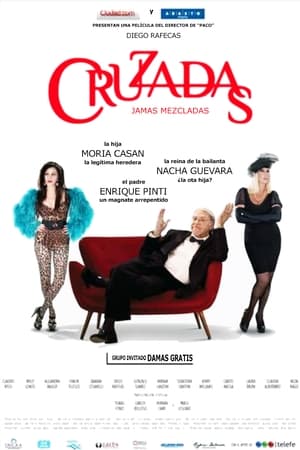 Movie
Movie
Cruzadas
as Camila Lamónica
2011
 Movie
Movie
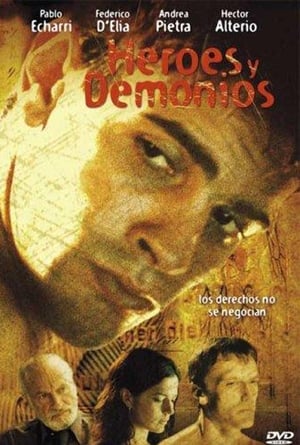
Héroes y demonios
as Dra. Pena
1999
 Movie
Movie
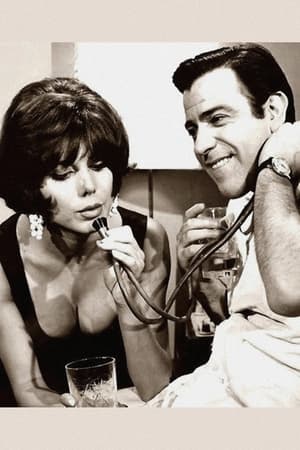
Cómo seducir a una mujer
1967
 Movie
Movie
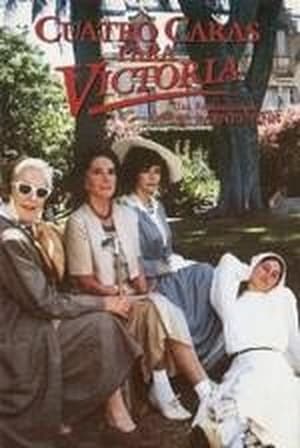
Cuatro caras para Victoria
as Victoria II
1992
 TV
TV
Alma de artista
 Movie
Movie
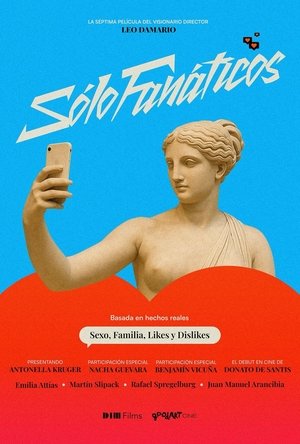
Solo Fanáticos
as Clotilde
2026
 TV
TV
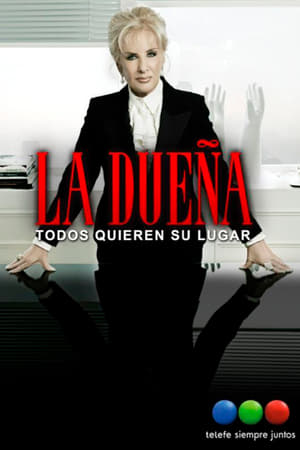
La Dueña
as Carmen Salguero Solar
2012
 TV
TV
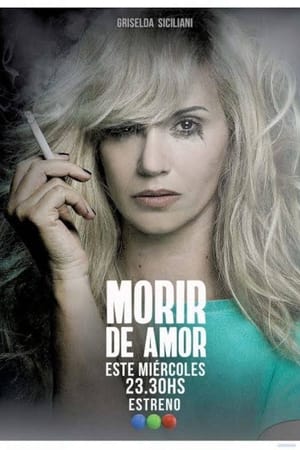
Morir de Amor
as Alcira Popescu
2018
TV
Alas, poder y pasión
as Gala Esquivel
1998