Andrea Crisanti
Andrea Crisanti (12 June 1936, in Rome – 7 May 2012) was an Italian production designer and art director.
Crisanti studied art at the Academy of Fine Arts in Rome. He began his film career as assistant set designer to Mario Garbuglia by working on the set of The Great War (1959) with Mario Monicelli. His independent debut came with Maciste in Hell (1962) by Riccardo Freda.
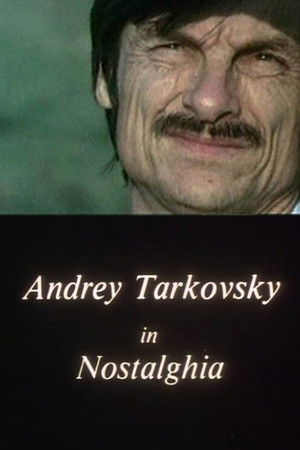
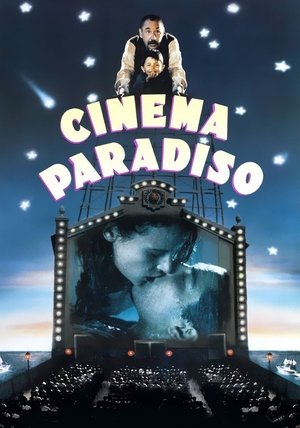
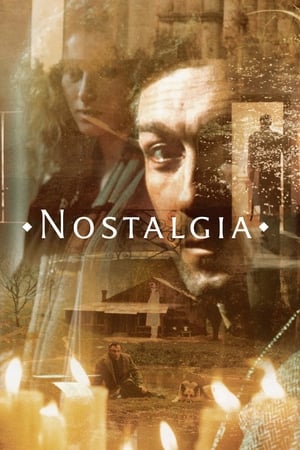
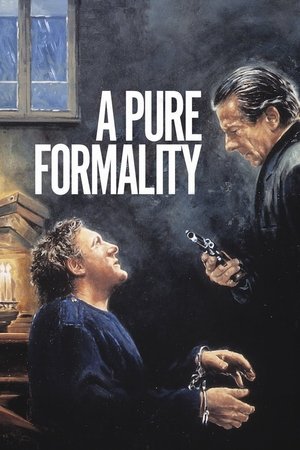
In 1970, Crisanti met Francesco Rosi, which proved crucial to the success of his career. He later worked on Cinema Paradiso (1988) and A Pure Formality (1994) by Giuseppe Tornatore, which won a David di Donatello Award. Sicily was one of his favourite places, and he recalled the pomp of the 17-century Bourbon period for the set of The Council of Egypt (2002) by Emidio Greco. Crisanti worked on Michelangelo Antonioni's Identification of a Woman (1982), Franzo Zeffirelli's Young Toscanini (1988), Gianni Amelio's The Stolen Children (1992), and Andrei Tarkovsky's Nostalghia (1983).
He taught art at Rome's Experimental Cinematography Centre from 1995 until his death, and was president of A.S.C., the Set and Costume Designers Association.
Source: Article "Andrea Crisanti" from Wikipedia in English, licensed under CC-BY-SA 3.0.
Acting

Crew
 Movie
Movie
Cinema Paradiso
Production Design
1988
 Movie
Movie
Duck, You Sucker
Art Direction
1971
 Movie
Movie
Loose Cannons
Production Design
2010
 Movie
Movie
Nostalgia
Production Design
1983
 Movie
Movie
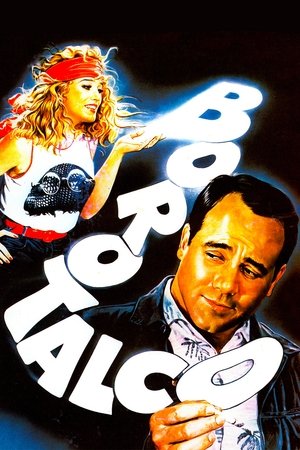
Talcum Powder
Production Design
1982
 Movie
Movie
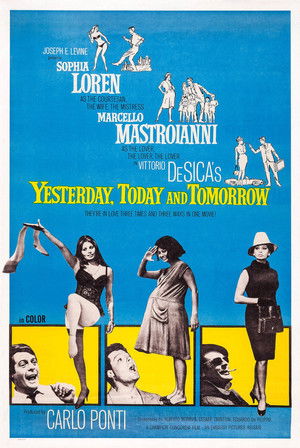
Yesterday, Today and Tomorrow
Assistant Set Decoration
1963
 Movie
Movie
A Pure Formality
Production Design
1994
 Movie
Movie
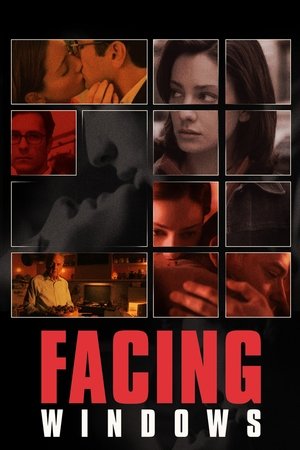
Facing Windows
Art Direction
2003
 Movie
Movie
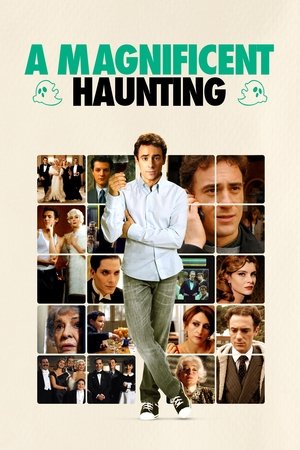
A Magnificent Haunting
Production Design
2012
 Movie
Movie
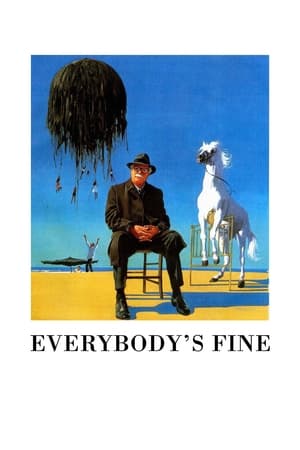
Everybody's Fine
Production Design
1990
 Movie
Movie
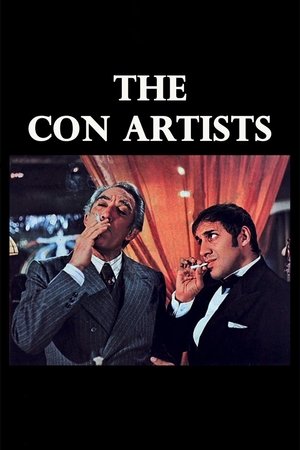
The Con Artists
Production Design
1976
 Movie
Movie
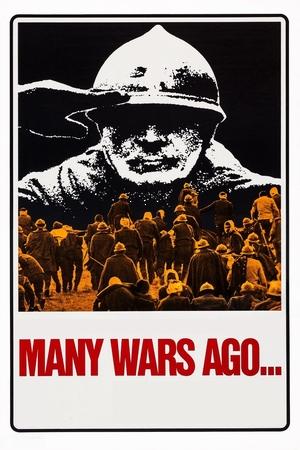
Many Wars Ago
Production Design
1970