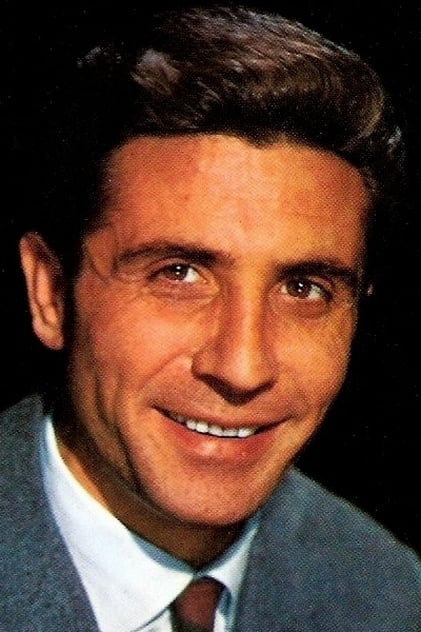
Gilbert Bécaud
Gilbert Bécaud (24 October 1927 – 18 December 2001) was a French singer, composer, pianist and actor, known as "Monsieur 100,000 Volts" for his energetic performances. His best-known hits are "Nathalie" and "Et maintenant", a 1961 release that became an English language hit as "What Now My Love". He remained a popular artist for nearly fifty years, identifiable in his dark blue suits, with a white shirt and "lucky tie"; blue with white polka dots. When asked to explain his gift he said, "A flower doesn't understand botany." His favourite venue was the Paris Olympia under the management of Bruno Coquatrix. He debuted there in 1954 and headlined in 1955, attracting 6,000 on his first night, three times the capacity. On 13 November 1997, Bécaud was present for the re-opening of the venue after its reconstruction.
Born François Gilbert Léopold Silly in Toulon, France, Bécaud learned to play the piano at a young age, and then went to the Conservatoire de Nice. In 1942, he left school to join the French Resistance during World War II. He began songwriting in 1948, after meeting Maurice Vidalin, who inspired him to write his early compositions. He began writing for Marie Bizet; Bizet, Bécaud and Vidalin became a successful trio, and their partnership lasted until 1950.
In 1952, he married Monique Nicholas. They had three children.
While touring with Jacques Pills as a pianist, Bécaud met Édith Piaf, Pills' wife at the time. He began singing at her suggestion in 1953, with "Mes Mains" and "Les Croix". His first performance came the year after. His hits in the later part of the decade included "La Corrida" (1956), "Le Jour où la Pluie Viendra" (1957), and "C'est Merveilleux L'amour" (1958).
His first hit in the English-speaking world was Jane Morgan's cover version of "Le jour où la pluie viendra" (as "The Day the Rains Came", with English lyrics by Carl Sigman) in 1958. He began acting in the same period, starting with "Le Pays D'où Je Viens" (1956). In 1960, he won a Grand Prix du Disque and composed "L'enfant à L'étoile," a Christmas cantata. That same year, "Let It Be Me", an English version of his "Je t'appartiens", became a hit for the Everly Brothers, followed, over the years, by Bob Dylan, Nina Simone, Elvis Presley, Willie Nelson, Jerry Butler, Sam & Dave and James Brown.
In 1973 he married Kitty Saint-John, with whom he had two children. He died of cancer at the age of 74.
In 1961, Bécaud wrote and recorded "Et Maintenant", one of the biggest selling singles in French history. Translated as "What Now My Love", the song became a hit by Shirley Bassey, Sonny & Cher, Elvis Presley, Judy Garland, Andy Williams, Herb Alpert and Frank Sinatra.
In 1962, he completed his largest composition, the 2-act opera L'Opéra d'Aran, which was premiered at the Théâtre des Champs-Élysées on 25 October 1962 (Georges Prêtre conductor). The plot of the opera takes place on the Aran Islands, off the west coast of Ireland, although Bécaud had never been to Ireland before. ...
Source: Article "Gilbert Bécaud" from Wikipedia in English, licensed under CC-BY-SA.
Acting
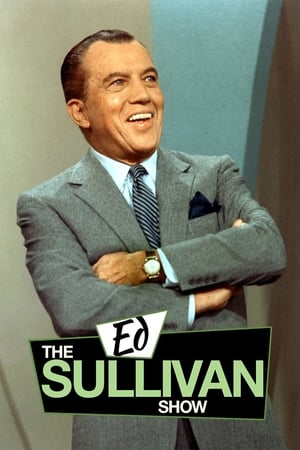 TV
TV
The Ed Sullivan Show
as Self
1948
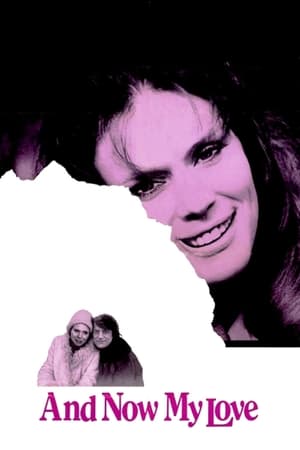 Movie
Movie
And Now My Love
as Self
1974
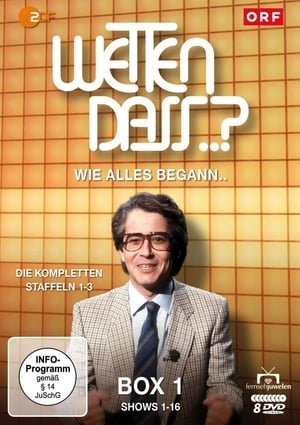 TV
TV
Wetten, dass..?
as Self
1981
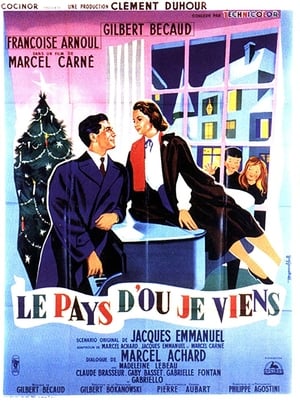 Movie
Movie
The Country I Come From
as Julien Barrère / Éric Perceval
1956
 TV
TV
The Mike Douglas Show
as Self
1961
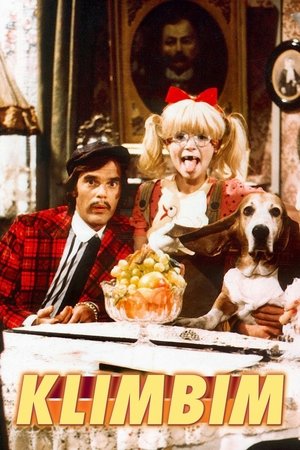 TV
TV
Klimbim
as Self
1973
 TV
TV
Champs-Elysées
as Self
1982
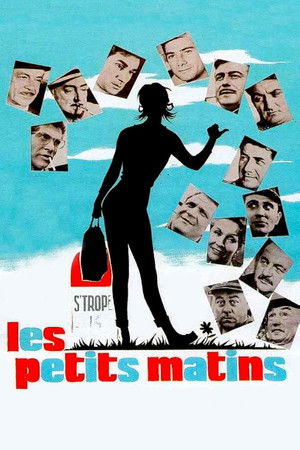 Movie
Movie
Hitch-Hike
as le pilote d'Air France
1962
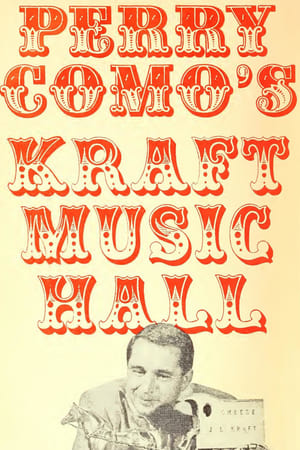 TV
TV
Kraft Music Hall
as Self
1958
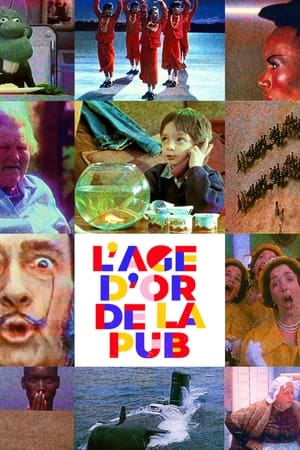 Movie
Movie
L'Âge d'or de la pub
as Self (archive footage)
2023
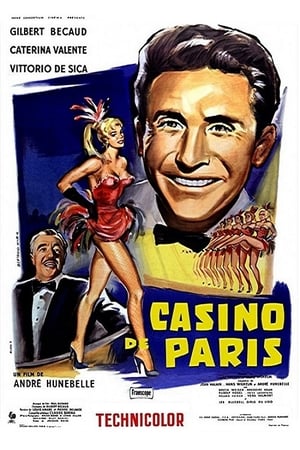 Movie
Movie
Paris Casino
as Jacques Marval
1957
 TV
TV
Sacrée soirée
as Self
1987
TV
Sacrée soirée
as Self (archive footage)
1987
 Movie
Movie
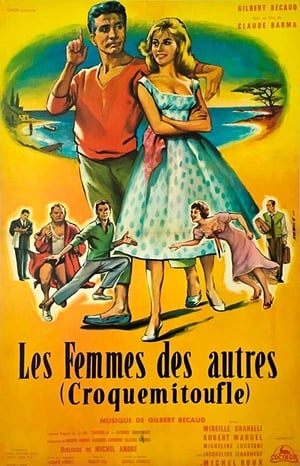
Croquemitoufle
as Bernard Villiers
1959
 Movie
Movie
La TV des 70's : Quand Giscard était président
as Self (archive footage)
2022
 Movie
Movie
Les Enfoirés, 15 ans d'Enfoirés
2005
 TV
TV
Il était une fois Champs-Élysées
as Self (archive footage)
2022
 TV
TV
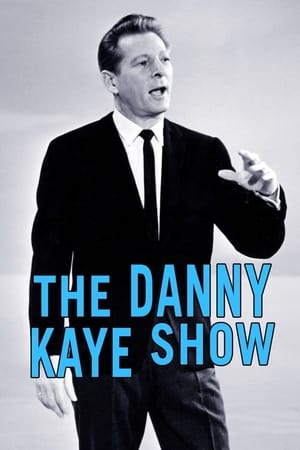
The Danny Kaye Show
as Self
1963
 TV
TV
Le Grand Échiquier
as Self
1972
 TV
TV
Victoires de la musique
as Self
1985
 TV
TV
Ein Kessel Buntes
as Self - Musician
1972
TV
Le Grand Échiquier
as Self - Main Guest
1972
 TV
TV
Cinépanorama
as Self
1956
TV
Die Drehscheibe
as Self
1964


