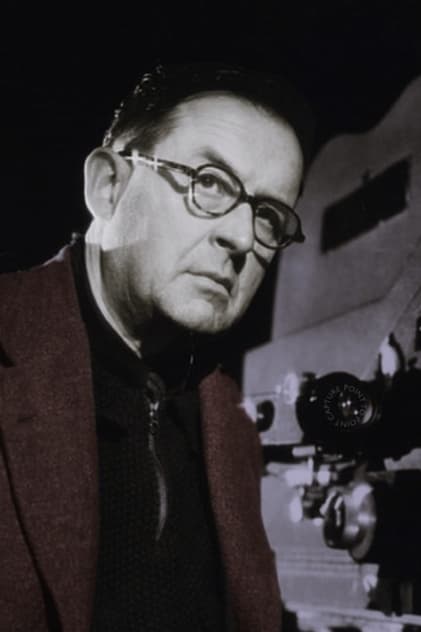
Alberto Cavalcanti
Alberto de Almeida Cavalcanti was a Brazilian-born film director and producer. He was born in Rio de Janeiro, the son of a prominent mathematician. He was a precociously intelligent child, and by the age of 15 was studying law at university. Following an argument with a professor he was expelled. His father sent him to Geneva, Switzerland on condition that he did not study law or politics. Cavalcanti chose to study architecture instead. At 18 he moved to Paris to work for an architect, later switching to working on interior design. After a visit back to Brazil he took up a position at the Brazilian consulate in Liverpool, England.
Cavalcanti corresponded with Marcel L'Herbier, a leading light in France's avant-garde film movement. This led to a job offer from L'Herbier for Cavalcanti to work as a set designer. So, in 1920 he left his job at the Consulate and moved back to France to work for L'Herbier; he was to be involved in the making of numerous films, the most notable being L'Inhumaine.
He was soon making his own films, in 1926 directing his first, Rien Que les Heures (Nothing But Time) — a day in the life of Paris and its citizens. In 1927 he collaborated with Walter Ruttmann on a similar project set in Berlin, called Berlin: Die Sinfonie der Großstadt (Berlin: Symphony of a Big City).
Cavalcanti took a job with Paramount's French studios after the talkies came in, but he found himself making more commercial films which could not hold his interest and left Paramount in 1933. In the same year he returned to England to work for John Grierson's GPO Film Unit. He was involved in many capacities, from production to sound engineer. He was to spend seven years at the GPO Film Unit, working on many projects. Much of his work at the GPO was uncredited, he acted as a mentor to many new film makers, but in 1937 he was appointed acting head of the GPO Film Unit when Grierson left for Canada. When told that the only way the position could become permanent was to become a naturalized British citizen, he decided to leave the unit.
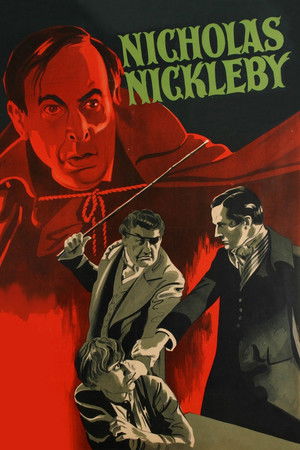
In 1940 Cavalcanti joined Ealing Studios, under the leadership of producer Michael Balcon. He worked as an art editor, producer and director. His most notable works of this period (many of them propaganda films) were Yellow Caesar (1941), Went the Day Well? (1942), Three Songs of Resistance (1943), Champagne Charlie (1944), Dead of Night (as co-director) (1945) and Nicholas Nickleby (1947). In 1946 Cavalcanti left Ealing over a dispute about money. He went on to direct three more films in the UK, before returning to Brazil in 1950.
In Brazil he worked as a producer for Companhia Cinematográfica Vera Cruz; the company eventually became insolvent. After being blacklisted as a communist in Brazil, he decided to move back to Europe in 1954. He eventually settled in France, where he continued his work in television. He died in Paris in 1982 at the age of 85.
Acting
 Movie
Movie
Pett and Pott: A Fairy Story of the Suburbs
as J. Leviticus (uncredited)
1934
 Movie
Movie
Grierson
as Self
1973
 Movie
Movie
Lettres de Stalingrad
as Astronomer
1969
 Movie
Movie
Um Homem e o Cinema
as Self
1976
 Movie
Movie
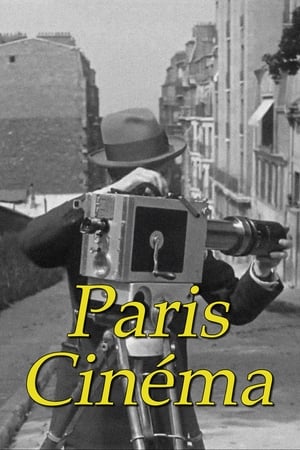
Paris Cinéma
as Self
1929
TV
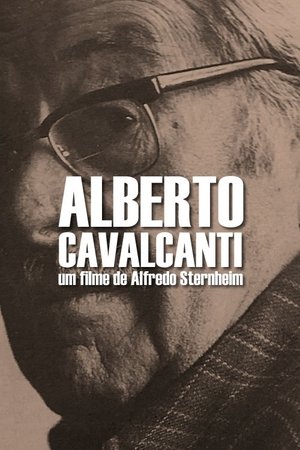
Encyclopédie audiovisuelle du cinéma
as Self (archive footage)
1978
 Movie
Movie
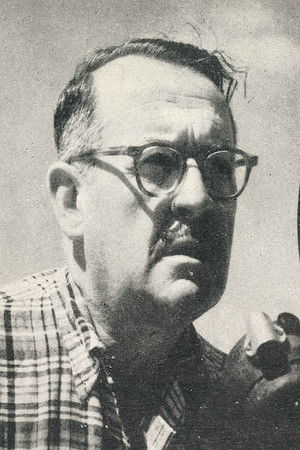
Alberto Cavalcanti
as Self
1970
 Movie
Movie
Cavalcanti
as Self (archive footage)
2026
Crew
 Movie
Movie
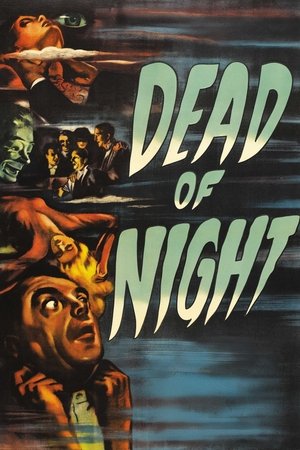
Dead of Night
Director
1945
 Movie
Movie
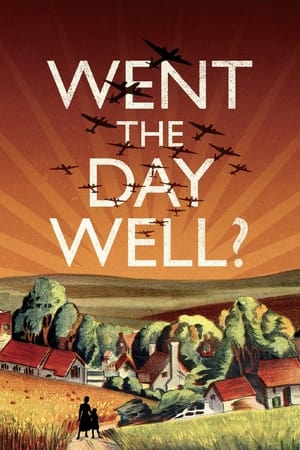
Went the Day Well?
Director
1942
 Movie
Movie
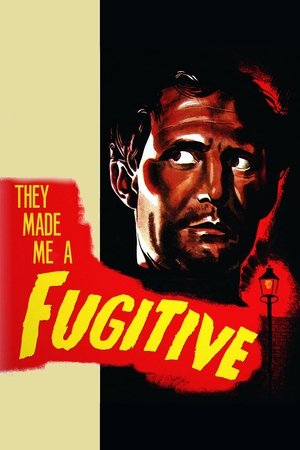
They Made Me a Fugitive
Director
1947
 Movie
Movie
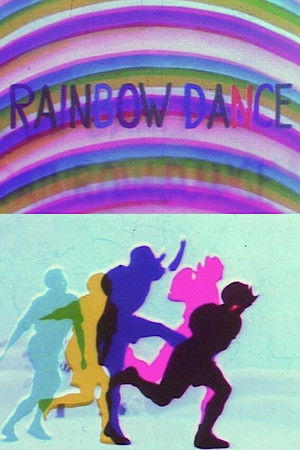
Rainbow Dance
Producer
1936
 Movie
Movie
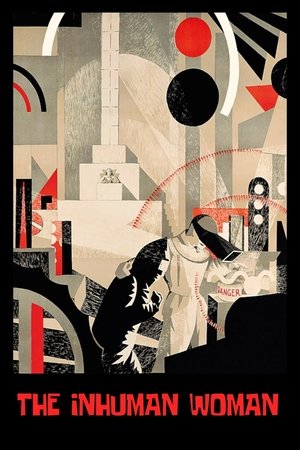
The Inhuman Woman
Art Direction
1924
 Movie
Movie
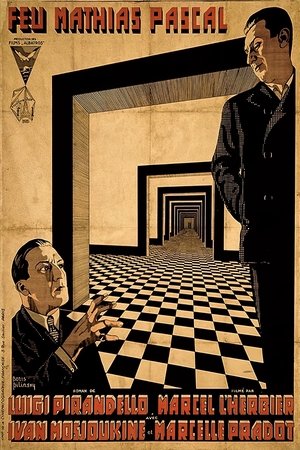
The Late Mathias Pascal
Art Direction
1925
 Movie
Movie
The Life and Adventures of Nicholas Nickleby
Director
1947
 Movie
Movie
Granton Trawler
Sound Designer
1934
 Movie
Movie
Nothing But Time
Director
1926
 Movie
Movie
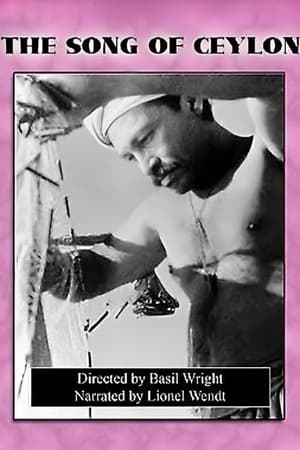
The Song of Ceylon
Sound Supervisor
1934
 Movie
Movie
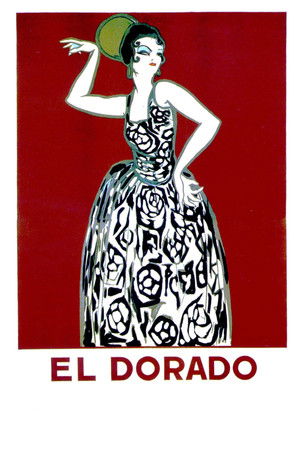
El Dorado
Costume Design
1921
 Movie
Movie
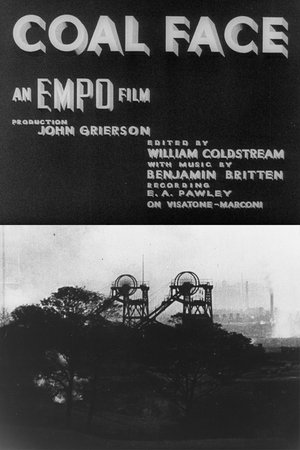
Coal Face
Director
1935