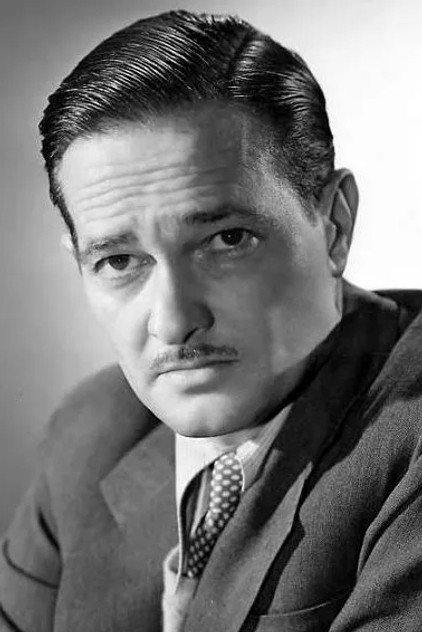
Gregg Toland
From Wikipedia
Gregg Toland, A.S.C. (May 29, 1904 – September 28, 1948) was an American cinematographer noted for his innovative use of lighting and techniques such as deep focus, an example of which can be found in his work on Orson Welles' Citizen Kane.
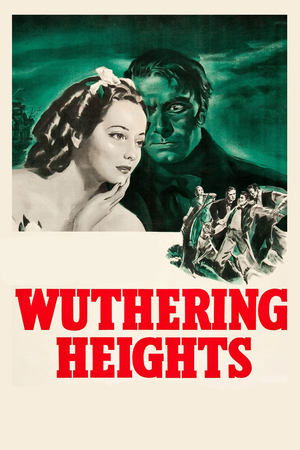
Toland was born in Charleston, Illinois on May 29, 1904. During the 1930s, Toland became the youngest cameraman in Hollywood but soon one of its most sought-after cinematographers. Over a seven-year span (1936–1942), he was nominated five times for the "Best Cinematography" Oscar, including a win in 1940 for his work on Wuthering Heights. He worked with many of the top directors of his era, including John Ford, Howard Hawks, Erich von Stroheim, King Vidor, Orson Welles, and William Wyler.
Toland was the subject of an "Annals of Hollywood" article in The New Yorker, "The Cameraman," by Hilton Als (June 19, 2006, p. 46). Just before his death, he was concentrating on the "ultimate focus" lens, which makes both near and far objects equally distinct. He died in Los Angeles, California on September 26, 1948 of coronary thrombosis at age 44. He is interred in the Hollywood Forever Cemetery in Hollywood, California.
Acting

Crew
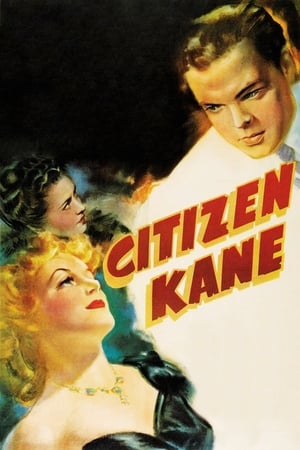 Movie
Movie
Citizen Kane
Director of Photography
1941
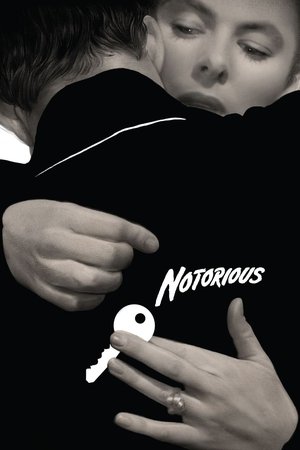 Movie
Movie
Notorious
Second Unit Director of Photography
1946
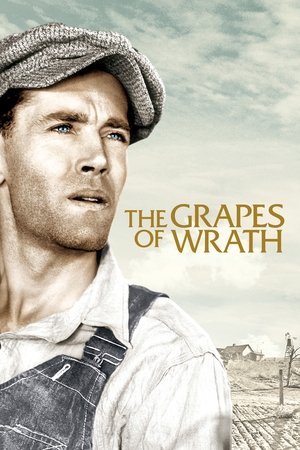 Movie
Movie
The Grapes of Wrath
Director of Photography
1940
 Movie
Movie
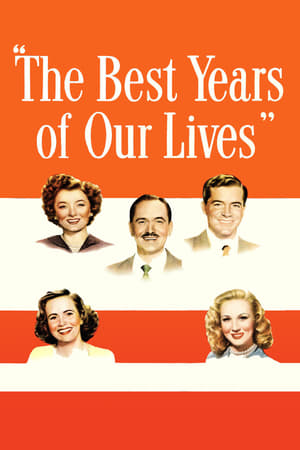
The Best Years of Our Lives
Director of Photography
1946
 Movie
Movie
Wuthering Heights
Director of Photography
1939
 Movie
Movie
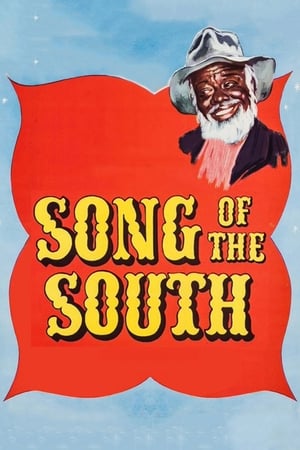
Song of the South
Director of Photography
1946
 Movie
Movie
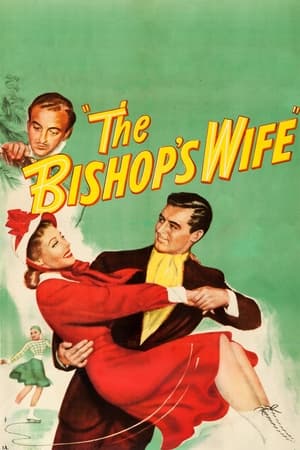
The Bishop's Wife
Director of Photography
1947
 Movie
Movie
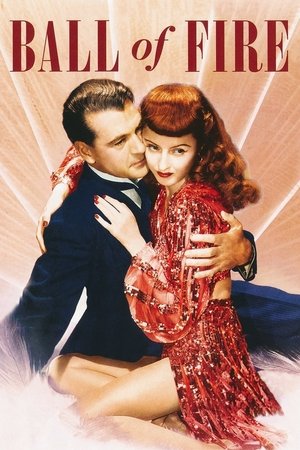
Ball of Fire
Director of Photography
1941
 Movie
Movie
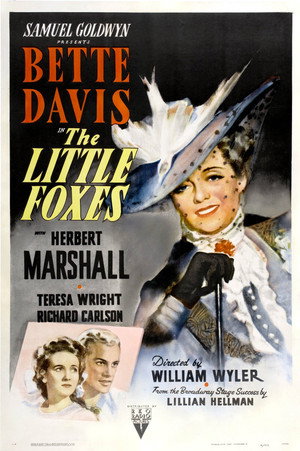
The Little Foxes
Director of Photography
1941
 Movie
Movie
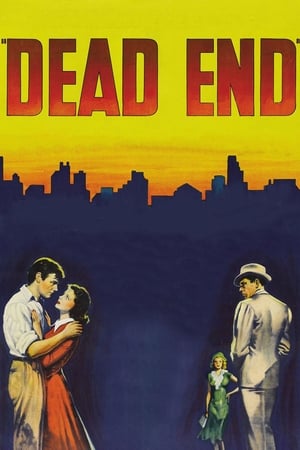
Dead End
Director of Photography
1937
 Movie
Movie
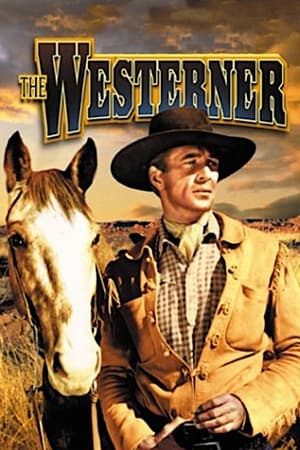
The Westerner
Director of Photography
1940
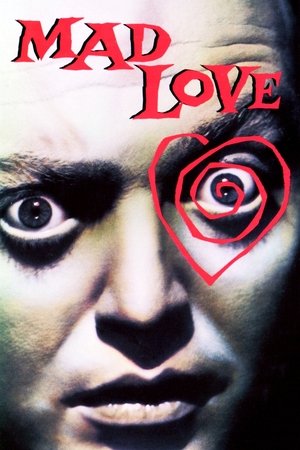 Movie
Movie
Mad Love
Director of Photography
1935